
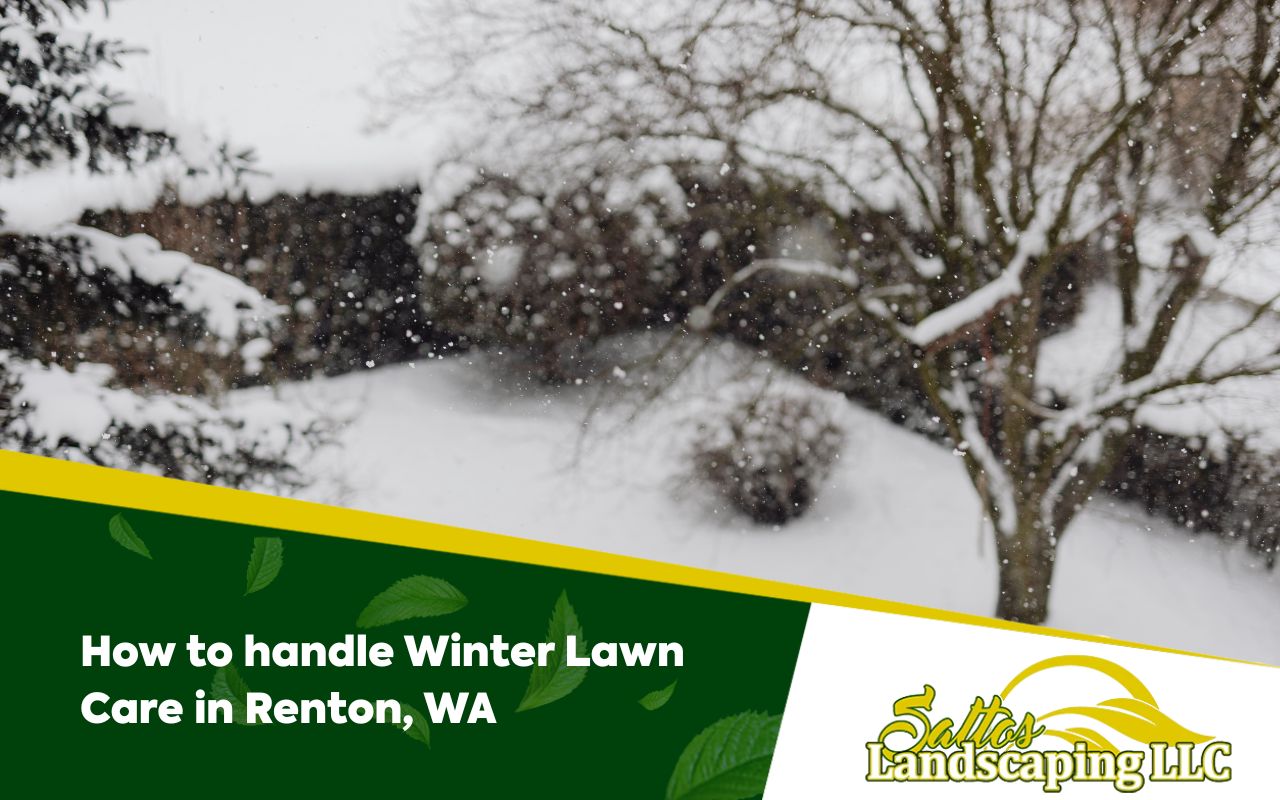
Winter in Renton, WA brings rain, frost, and short days, but your lawn doesn’t have to suffer. With the right strategy, you can keep grass resilient, reduce damage, and set up a quick spring recovery. This guide explains practical Winter Lawn Care in Renton, WA so homeowners can act confidently before, during, and after cold snaps while protecting soil structure.
How to handle Winter Lawn Care in Renton, WA
To manage winter conditions in Renton, focus on three basics: set the right mowing height, strengthen roots with well-timed nutrients, and limit traffic on frozen turf. Add aeration, overseeding, and smart watering, and your lawn can stay healthy through cold months and rebound quickly in spring.
Understanding Cold-Season Grasses in Renton, WA
Renton’s cool, wet winters favor cool-season turf such as tall fescue, perennial ryegrass, and fine fescue blends. Learning basic cold-season grass tips helps you match care to your yard’s sun, soil, and foot-traffic patterns so grass stays greener longer and recovers faster when temperatures rise.
- Identify whether your lawn is mainly tall fescue, ryegrass, or a fescue blend.
- Note shady areas, compacted spots, and high-traffic zones to tailor maintenance.
- Overseed thin areas in early fall so turf density is high before winter stress.
- Review seasonal landscaping maintenance tips to keep your lawn on a consistent schedule.
Soil testing every few years helps you balance pH and nutrients for better root growth. Avoid heavy traffic over frosty or waterlogged turf to prevent bruising and compaction that show up as brown patches in spring.
Adjusting Mowing Practices for Winter
As growth slows, mowing every two to three weeks is usually enough. For optimal mow height winter Renton lawns need, aim for about 3 to 3.5 inches on the final cuts. This length protects crowns from cold without leaving blades so tall they mat, inviting disease and mold.
- Sharpen mower blades before late-fall mowing for clean cuts that heal quickly.
- Lower deck height gradually over several mowings instead of one drastic cut.
- Collect or mulch excess clippings and leaves so they don’t smother the turf.
- Avoid mowing when grass is frozen or saturated to reduce ruts and torn blades.
By fine-tuning winter mowing instead of stopping abruptly, you support a stronger, more even green-up when warmer weather returns.
Implementing a Winter Fertilization Schedule
A well-planned winter fertilizer schedule helps roots store energy while top growth slows. In Renton, a late-fall application of slow-release fertilizer with extra potassium improves cold tolerance. Avoid high nitrogen at this stage, which pushes leafy growth that is easily damaged by frost and disease.
Choose a calm, dry day and follow label rates for even coverage. Lightly water afterward to activate granules without creating soggy soil. A lighter feeding in very late winter—once soil temperatures rise above about 40°F—can give grass a head start before spring growth.
Protecting Your Lawn from Frost Damage
Frozen blades are fragile, so foot traffic can snap cells and leave lasting brown tracks. To protect lawn from frost, keep people and pets off the grass until it thaws and dries. Delay early-morning chores like raking or blowing leaves until any frost has burned off.
For vulnerable areas, cover small patches with breathable frost cloth on the coldest nights. Larger lawns may benefit from lightweight landscape fabric pinned in place. If frost damage keeps returning in the same spots, you can request a winter lawn evaluation to adjust grading, watering, or grass type.
Importance of Aeration and Overseeding in Winter
Compacted soil limits air, water, and nutrient movement to the root zone. Core aeration in late fall or very early winter creates channels that relieve compaction and improve drainage. This step supports Winter Lawn Care in Renton, WA by helping turf handle heavy rain and occasional freezes more effectively.
Pair aeration with overseeding to thicken thin areas and boost resilience. Spread a cool-season seed mix, lightly rake for seed-to-soil contact, and keep the area slightly moist during mild periods. Strong, dense turf naturally resists weeds, disease, and wear, reducing future repair work.
Preventing Winter Weeds
Weeds such as chickweed and annual bluegrass often appear during mild winter stretches. Start by clearing leaves and debris so unwanted seedlings don’t hide. A carefully timed pre-emergent in late fall can reduce weed germination, but always follow label directions to avoid harming desirable turf.
Hand-pull visible weeds before they set seed, and spot-treat persistent patches on frost-free days with targeted herbicides. Healthy, dense grass and consistent mowing will crowd out many invaders over time, making winter weed control easier each year.
Winter Watering Guidelines
Even in the rainy Pacific Northwest, there are dry winter spells when grass needs supplemental moisture. If several weeks pass with little rain, water deeply once, aiming for about an inch. Morning watering lets blades dry before evening temperatures drop, reducing disease and ice risk.
Avoid watering before hard freezes, which can leave a damaging layer of ice on the lawn. Using a simple rain gauge or container helps you track how much water the turf receives so you don’t overdo it in already saturated soil.
Equipment Maintenance for Winter Lawn Care
End-of-season equipment care saves time and money when spring arrives. Clean grass buildup from mower decks and aerator tines, then inspect belts, filters, and spark plugs. Sharpen or replace blades so they’re ready to make clean cuts instead of tearing grass.
Store tools in a dry, protected space, and either drain fuel or add stabilizer to prevent engine problems. If routine upkeep feels overwhelming, consider scheduling professional gardening services so your equipment and landscape both start strong next season.
Dealing with Snow and Ice Removal
When snow does arrive, remove it gently using a plastic shovel or broom to avoid cutting into turf. Push snow in layers rather than scraping down to the grass surface. Whenever possible, pile snow in areas with good drainage so meltwater doesn’t pool and suffocate roots.
Skip rock salt on lawn edges, as it can burn grass and alter soil structure. Use sand, kitty litter, or non-salt de-icers near turf. If you’re redesigning spaces where snow tends to accumulate, explore low-maintenance side yard ideas that handle winter piles without damaging your main lawn.
How to prepare your Renton lawn for winter
- Test soil and address pH or nutrient issues early in fall.
- Overseed thin spots and manage thatch before temperatures drop significantly.
- Adjust mowing height gradually and complete your last cut at about 3–3.5 inches.
- Plan a winter fertilizer schedule that emphasizes root strength instead of fast top growth.
- Protect vulnerable areas from frost, snow piles, and heavy traffic, or schedule a visit through the contact page.
Frequently Asked Questions
When should I schedule Winter Lawn Care in Renton, WA services?
Most homeowners benefit from booking key services—like aeration, overseeding, and late-fall fertilizing—between early fall and early winter. Reserving a spot through the contact form ensures your lawn is treated before the first hard freeze.
Is a winter fertilizer service really necessary?
Yes, when done correctly. A targeted winter application supports deeper roots and better spring color. Skipping it can leave your turf weak after cold, wet months. If you’re unsure what blend to use, a local lawn care team can recommend products suited to Renton’s soil and climate.
How high should I mow my grass going into winter?
For most cool-season lawns in Renton, finishing the season at about 3 to 3.5 inches works well. This height protects crowns from cold while reducing the risk of matting. Adjust gradually over several mowings, and avoid cutting more than one-third of the blade length at a time.
Can a professional help protect my lawn from frost and snow?
Definitely. A lawn specialist can identify low spots, traffic patterns, and vulnerable turf, then suggest grading tweaks, drainage improvements, or grass-type changes. They can also recommend where to pile snow and which de-icing products are safer to use near turf and landscaping.
What winter services should I prioritize on a budget?
If you must choose, focus on aeration, overseeding thin areas, and at least one well-timed fertilizer application. These services deliver long-term benefits and can reduce future repair costs. You can request a tailored, budget-conscious plan by reaching out via the landscaping company’s contact page.
Setting Your Lawn Up for Spring Success
By following this Winter Lawn Care in Renton, WA checklist, you support strong roots, manage moisture, and minimize cold damage. Consistent mowing, fertilizing, and protection from frost all contribute to a thicker, more resilient lawn.
Stay on top of watering, weed control, and equipment care now, and spring cleanup becomes faster and easier. A bit of winter attention helps your yard green up sooner, stay healthier longer, and boost curb appeal when warmer days return.
References
Your Seasonal Lawn-Care Schedule for the Pacific Northwest – Better Homes & Gardens
5 Things You Should Do in Late Winter to Ensure a Lush Lawn Come Spring – Real Simple